
Where the herds are in every month of the year, and where to stay to be in front of them.
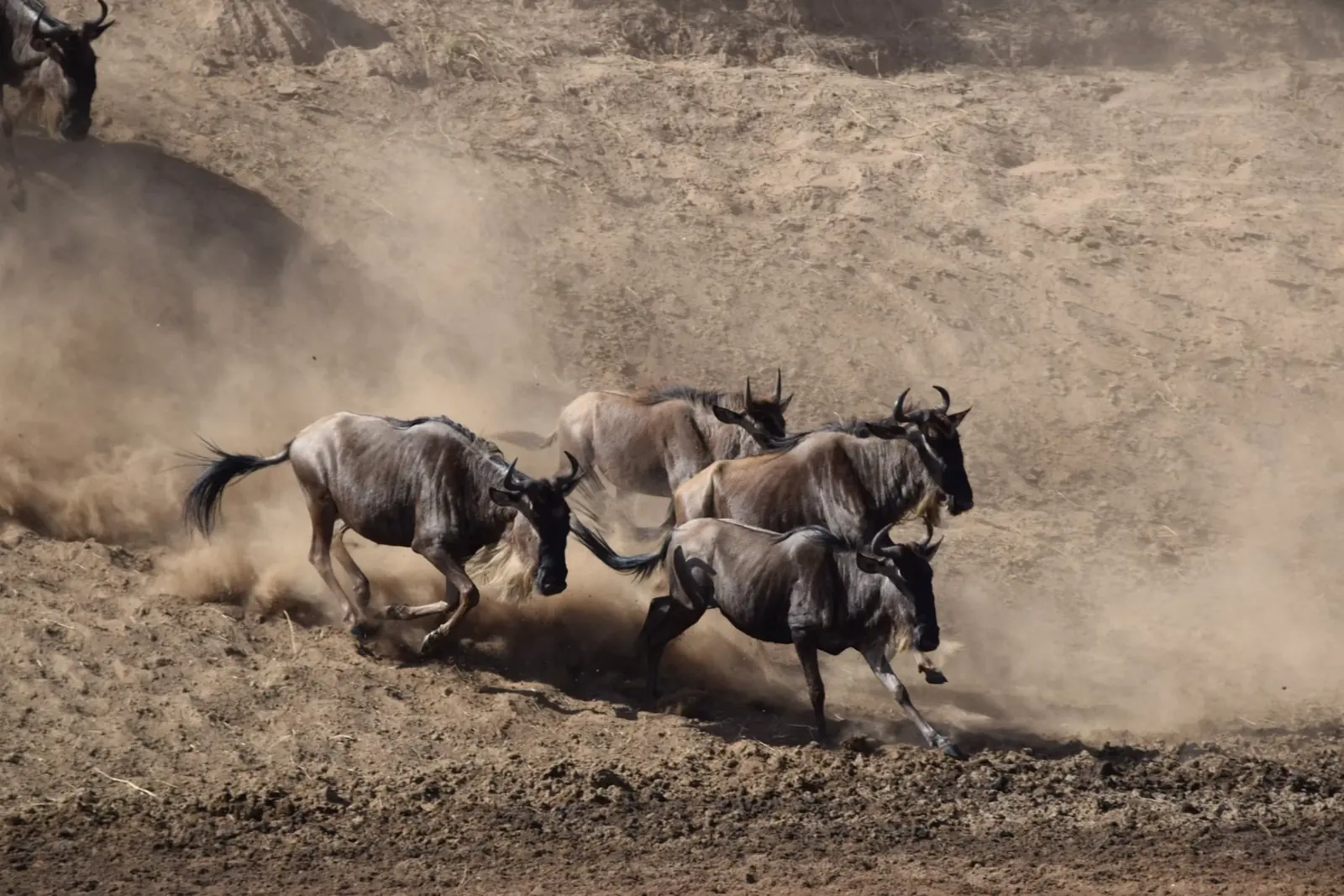
The Great Migration is a year-round circuit, not a single event. Roughly 1.5 million wildebeest, joined by zebra and gazelle, follow the rains around the Serengeti–Mara ecosystem in a continuous loop. Knowing where the herds are in any given month is the difference between a good safari and a great one.
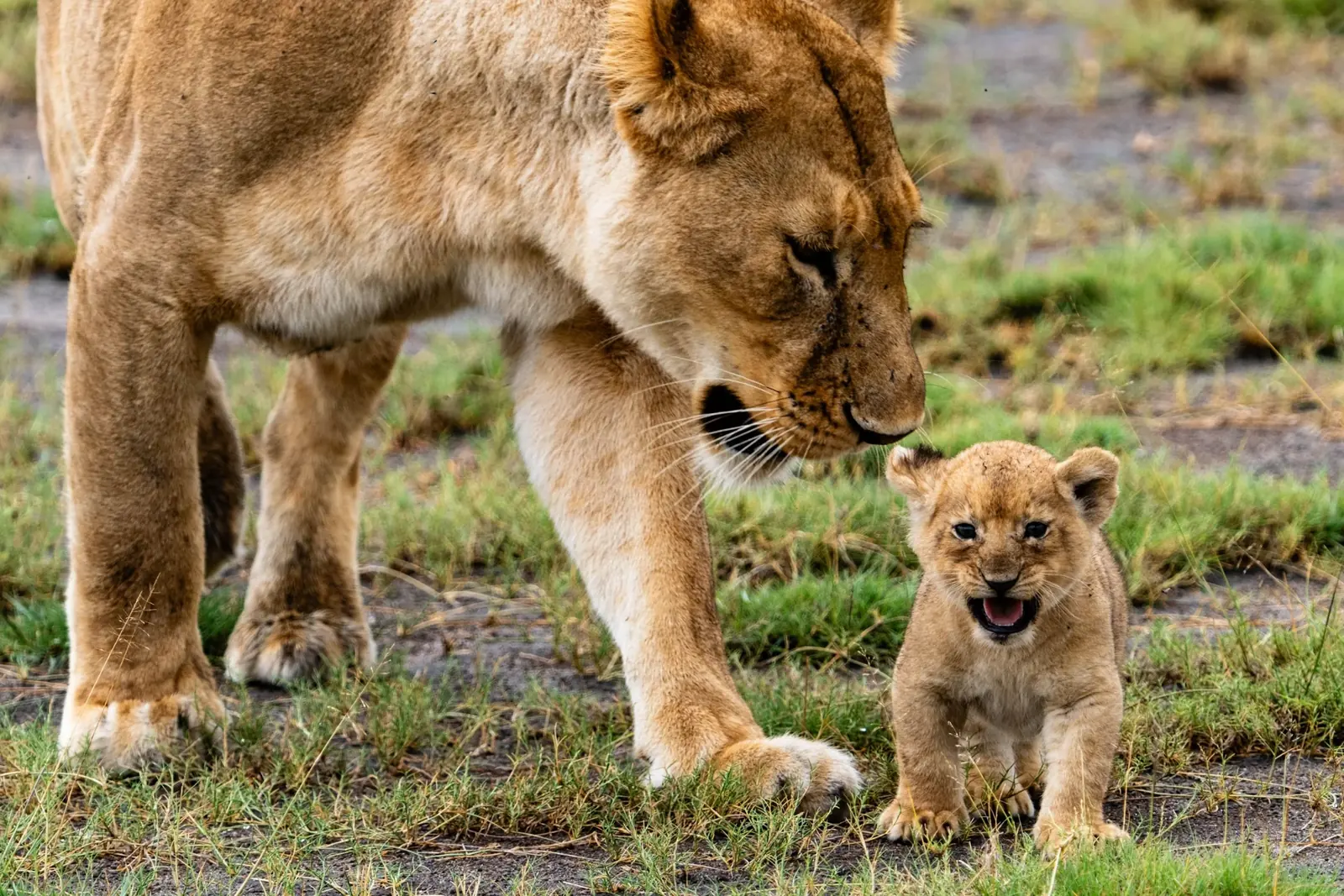
The herds gather on the short-grass plains around Ndutu and the Southern Serengeti. Around half a million calves are born in a six-week window in February, and the predator action is the most concentrated of the year. This is the best period for photographers who want big cats on open ground.
The herds drift north-west through the Moru Kopjes and Seronera. Rain makes some tracks harder going, but the plains are green, the light is dramatic and camps are at their quietest and cheapest. A good choice for a second safari rather than a first.
Columns of wildebeest move towards the Grumeti River. The Grumeti crossings are smaller and less predictable than the Mara ones, but they come with far fewer vehicles. June is also the start of the dry season, so general game viewing across the Serengeti improves.
The herds concentrate around Kogatende in the Northern Serengeti. This is the classic river-crossing season, with the highest chance of witnessing a crossing between late July and early October. Camps here sell out first, so book eight to twelve months ahead.
The short rains pull the herds back down through the eastern Serengeti towards Ndutu. Green-season rates return, birdlife is excellent and the plains refill with newly arrived animals.
We position mobile camps ahead of the herds rather than behind them, so your drives start where the animals are likely to be, not where they were last week. If your dates are fixed, we plan the route around your dates. If your dates are flexible, tell us what you want to see and we will suggest the window that gives you the best odds.